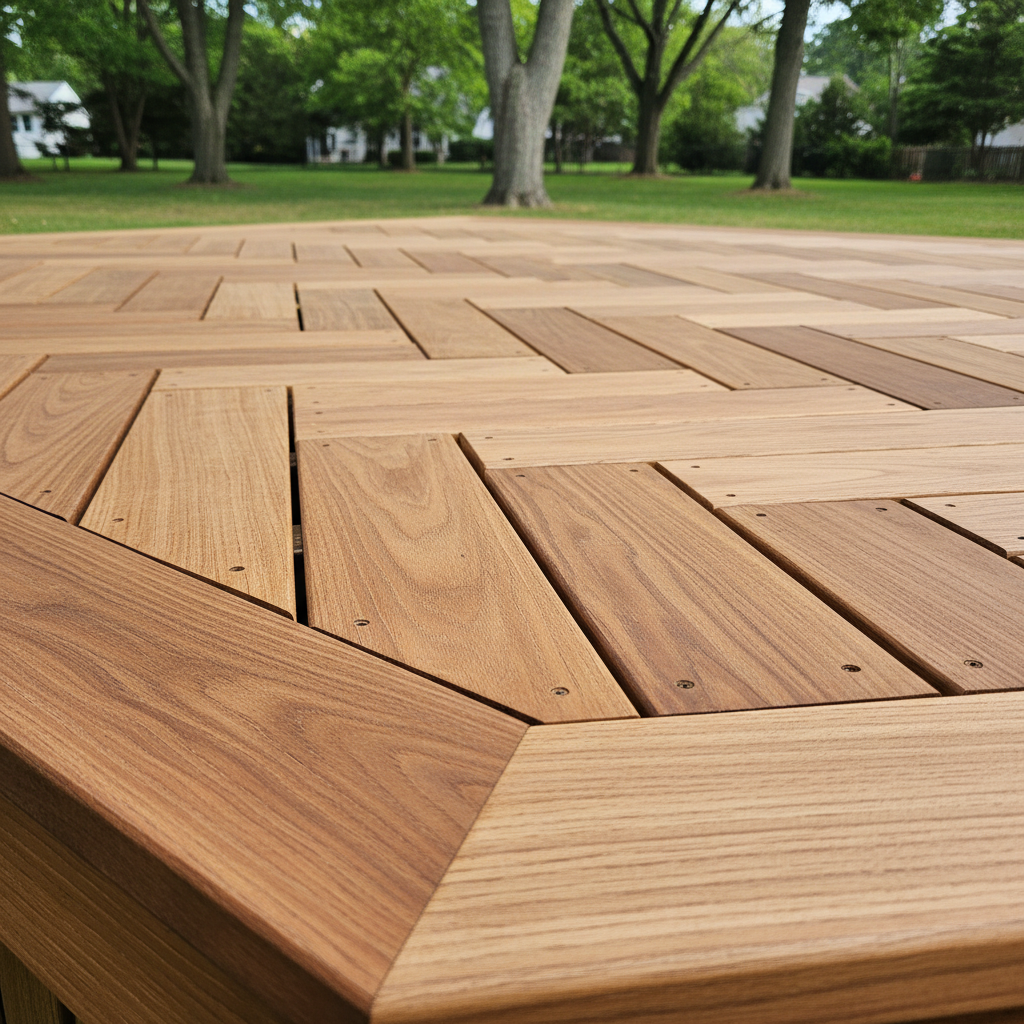
So, you're dreaming of a new deck out back? Maybe you've got a vision for enjoying those warm summer evenings right here in Belmont, watching the kids play or just relaxing after a long day. That's a great dream, and honestly, a deck can totally transform your outdoor living space. But before you grab a hammer, let's chat about what actually goes into building one and what you, as a homeowner, can realistically tackle versus when it's time to bring in someone like me.
Before You Even Think About Lumber
First things first: planning. This isn't just about sketching a rectangle on a napkin, you know? You need to think about size, how high it'll be, what materials you'll use, and most importantly, local rules. Here in Belmont, you absolutely need to check with the Building Department. I can't stress this enough. You'll almost certainly need a permit for any new deck construction or even a big renovation. They'll want to see plans, and they'll have specific requirements for things like setbacks, how deep your footings need to be (especially with our clay-heavy soil around places like Belmont Hill, you really need to get those footings right to stop frost heave), and railing heights. Don't skip this step; it'll save you a world of headaches later on.
You'll also want to consider your budget. Decks aren't cheap, and costs can swing wildly depending on materials. Pressure-treated lumber is the cheapest option, but composite or exotic hardwoods mean less upkeep and last longer. Figure out what you can afford and what kind of return you expect on your investment.
This 'before' stage? You can do a lot of it yourself. Researching materials, sketching out ideas, even calling the town for permit info – that's all on you. But when it comes to drawing up detailed plans that meet code, understanding structural loads, and working through the permit application process, that's often where a good contractor really earns their keep. We know the ins and outs of Belmont's specific requirements, after all.
During Construction: Where Do You Draw the Line?
Okay, you've got your permit, your plans, and your materials. Now the real work starts. What parts of the build can you tackle?
- Demolition: If you're replacing an old deck, tearing down the old one is usually pretty straightforward. Just be careful, wear protective gear, and make sure you've got a plan for disposal.
- Digging Footings: You can certainly dig the holes for your footings. It's hard work, especially if you hit a lot of rock, but it's doable. Just make sure they're deep enough (check your permit specs!) and properly sized.
- Staining/Painting: Once the deck is built and dried out, applying stain or paint is a classic DIY job. It takes time but doesn't require specialized skills.
Now, what should you absolutely leave to the pros? Anything structural, really. Framing the deck, setting the posts, installing the ledger board (that's the board that attaches to your house) – these are critical. If they're not done right, your deck won't be safe. We're talking about proper joist spacing, the right fasteners, and making sure everything is level and plumb. A wobbly deck isn't just annoying; it's dangerous. Attaching the deck to your house correctly is especially vital; you don't want water getting in or the deck pulling away, do you?
Electrical work for lighting or outlets? Always hire a licensed electrician. Plumbing for an outdoor sink? Same deal. These aren't areas to cut corners on.
After It's Built: Keeping It Looking Good
So, the deck's done, and it looks fantastic. Now what? Maintenance is key if you want it to last. This is almost entirely in your court.
- Cleaning: Regular cleaning with a deck cleaner and a scrub brush or pressure washer (on a low setting, be careful not to damage the wood!) will prevent mildew and grime buildup. Do this at least once a year, maybe more if your deck is under a lot of trees like we see in many older Belmont neighborhoods.
- Sealing/Staining: Depending on the product you used, you'll need to reapply a sealer or stain every 1-3 years. This protects the wood from UV damage and moisture.
- Inspections: Give your deck a quick once-over every spring. Look for loose railings, popped nails, splintering wood, or any signs of rot, especially where wood meets the ground or other wood components. Catching small issues early can prevent bigger, more expensive problems down the road.
If you find something major during your inspection – significant rot, a wobbly post, or a cracked joist – that's when you call in a professional. Don't try to jury-rig a structural repair; it's just not worth the risk. At Belmont Deck Solutions, we're happy to come out and take a look if you've got concerns. We've seen it all, and we can tell you what's a quick fix and what needs more serious attention.
Building a deck is a big project, but it's incredibly rewarding. Knowing what you can handle and when to bring in the pros will make the whole process smoother and ensure you end up with a safe, beautiful outdoor space you can enjoy for years.