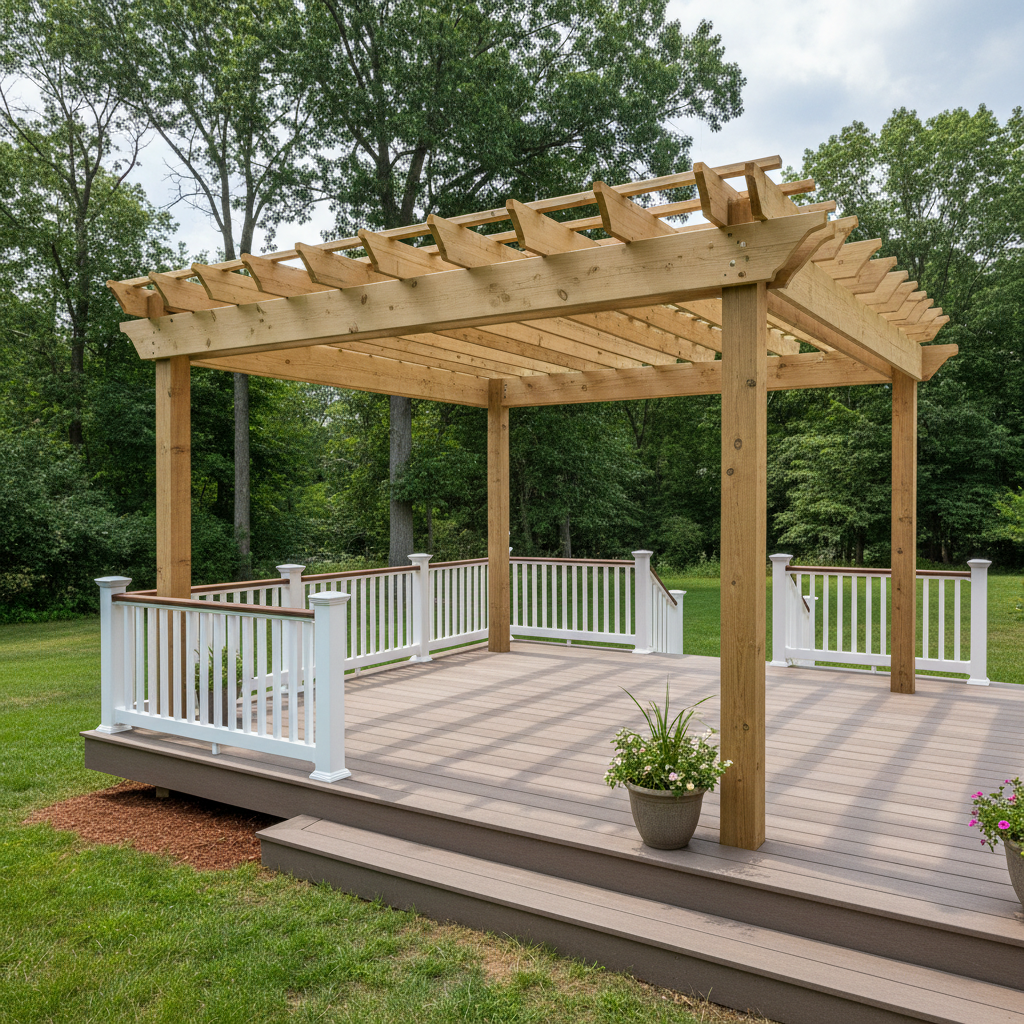
So, you've got a beautiful pergola, maybe one we even built for you here at Belmont Deck Solutions. That's fantastic! It adds a ton of character and comfort to your yard. But just like anything else exposed to the elements, it's not a 'set it and forget it' kind of deal. You've got to give it a little attention if you want it to last and keep looking its best, especially with the crazy weather we get here in Massachusetts.
Keeping Your Pergola Around Longer: It's All About Protection
Think about what your pergola goes through. Hot summers, freezing winters, heavy snow, driving rain, and even the occasional Nor'easter. That's a lot. The biggest thing you can do to extend its life is to protect it from moisture and UV rays. If your pergola is made of wood—and most are—this means proper sealing or staining. I recommend doing this every 2-3 years, depending on the product you use and how much sun it gets. You'll want a high-quality exterior stain or sealant that offers UV protection and repels water. Don't cheap out here; a good product will save you headaches down the line, believe me.
For composite pergolas, maintenance is a lot less intensive, which is one of their big selling points. You won't need to stain or seal them. But even composite can get grimy, so a good cleaning is still essential.
Regular Upkeep: Your Seasonal Checklist
You don't need to be out there every weekend, but a little seasonal check-up goes a long way. Here's what I tell my clients:
- Spring Cleaning: Once the snow melts and things start to green up, give your pergola a good wash. A pressure washer on a low setting, or just a garden hose with a scrub brush and mild soap (like dish soap or a specialized deck cleaner), works wonders. Get rid of any accumulated dirt, pollen, and mildew. Pay attention to the top surfaces of the beams and rafters where debris can collect.
- Summer Checks: Keep an eye out for any loose fasteners. The expansion and contraction from temperature changes can sometimes loosen screws or bolts. A quick tighten with a wrench or screwdriver can prevent bigger issues. Also, if you have climbing plants, make sure they're not growing into the structure in a way that traps moisture or causes damage.
- Fall Prep: Before the leaves start falling in earnest, give it another quick clean to remove any lingering debris. This is also a good time to check your stain or sealant. If water isn't beading up on the wood anymore, it might be time for a fresh coat. Clear out any leaves or pine needles that have gathered on top of the beams; you don't want them sitting there all winter holding moisture.
- Winter Watch: While you're not actively maintaining it, be mindful of heavy snow loads. Pergolas are designed to withstand a certain amount, sure, but exceptionally heavy, wet snow—especially if it's drifting—can put undue stress on the structure. If you can safely brush off significant accumulations, it's not a bad idea.
Warning Signs: What to Look For
Your pergola will usually give you clues if something's wrong before it becomes a major problem. You just need to know what to look for:
- Cracking or Splitting Wood: Small surface cracks (checking) are normal, especially in cedar or pressure-treated wood. But deep, long splits, particularly near fasteners or joints, can indicate structural issues or excessive drying/wetting cycles.
- Rot or Soft Spots: Probe any suspicious-looking areas with a screwdriver. If the wood feels soft or spongy, that's rot. It often starts where water pools or where wood is in constant contact with moisture, like the bottom of posts or where beams join.
- Loose or Corroded Fasteners: Screws or bolts that are visibly loose, rusted, or corroding are a red flag. Rust can weaken the fasteners, and loose connections compromise stability.
- Sagging Beams or Posts: This is a pretty obvious one. If any part of your pergola looks like it's dipping or leaning, you've got a problem that needs immediate attention.
- Mildew or Algae That Won't Go Away: While some surface mildew is normal, if you're constantly battling heavy growth, it might mean your wood isn't drying out properly, which can lead to rot.
- Pest Damage: Keep an eye out for sawdust (frass), small holes, or tunnels, which could indicate carpenter ants, termites, or other wood-boring insects. They love damp wood.
When to Call a Professional (Like Us!)
Look, I'm all for homeowners doing what they can. It saves you money, and you get to know your home better. But some things are just better left to the pros. You should definitely call someone like Belmont Deck Solutions if you see:
- Significant Rot or Pest Damage: If you find rot that goes deep or covers a large area, or if you suspect a serious pest infestation, you'll need professional assessment and repair. Trying to patch it yourself might just hide the problem.
- Structural Instability: Any sagging, leaning, or major wobbling means the integrity of your pergola is compromised. This isn't just cosmetic; it's a safety issue. We can assess the load-bearing components and make sure everything is sound.
- Major Repairs or Component Replacement: If a main beam or post needs to be replaced, that's a job for someone with the right tools, experience, and knowledge of local building codes. You don't want to mess around with structural components.
- You're Unsure: If you see something that just doesn't look right, and you're not sure if it's a big deal or not, it's always better to get a professional opinion. A quick inspection can prevent a small issue from becoming a very expensive one.
We've built and maintained plenty of pergolas all over Belmont, from the older homes near Belmont Center to the newer constructions up in Winn Brook. We know what our climate does to outdoor structures. A little proactive maintenance from you, and knowing when to call us, will ensure your pergola stays a beautiful, safe, and enjoyable part of your property for years to come.